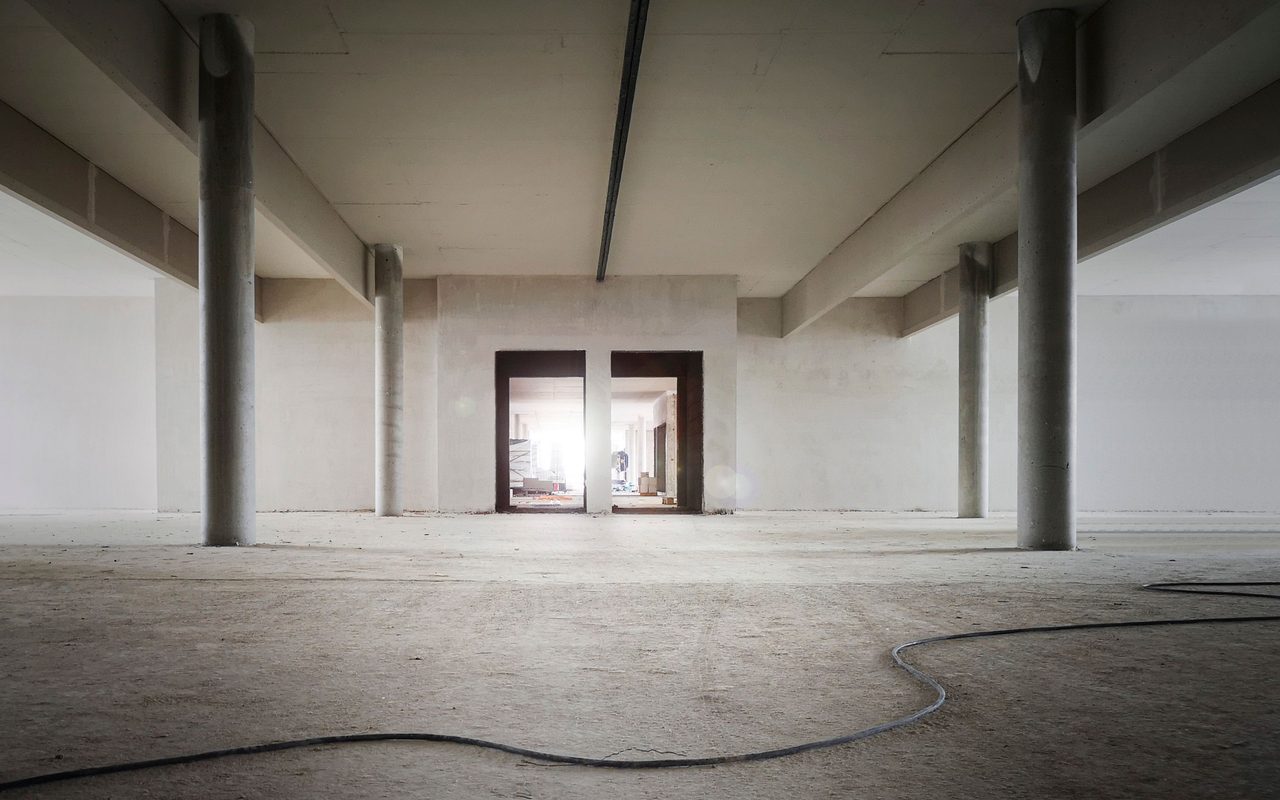
How Much Does Commercial Epoxy Flooring Cost? What Moves the Price per m² in Melbourne
Commercial epoxy in Melbourne runs $45 to $90+ per m². What decides where a job lands in that range, and what a written scope should include.
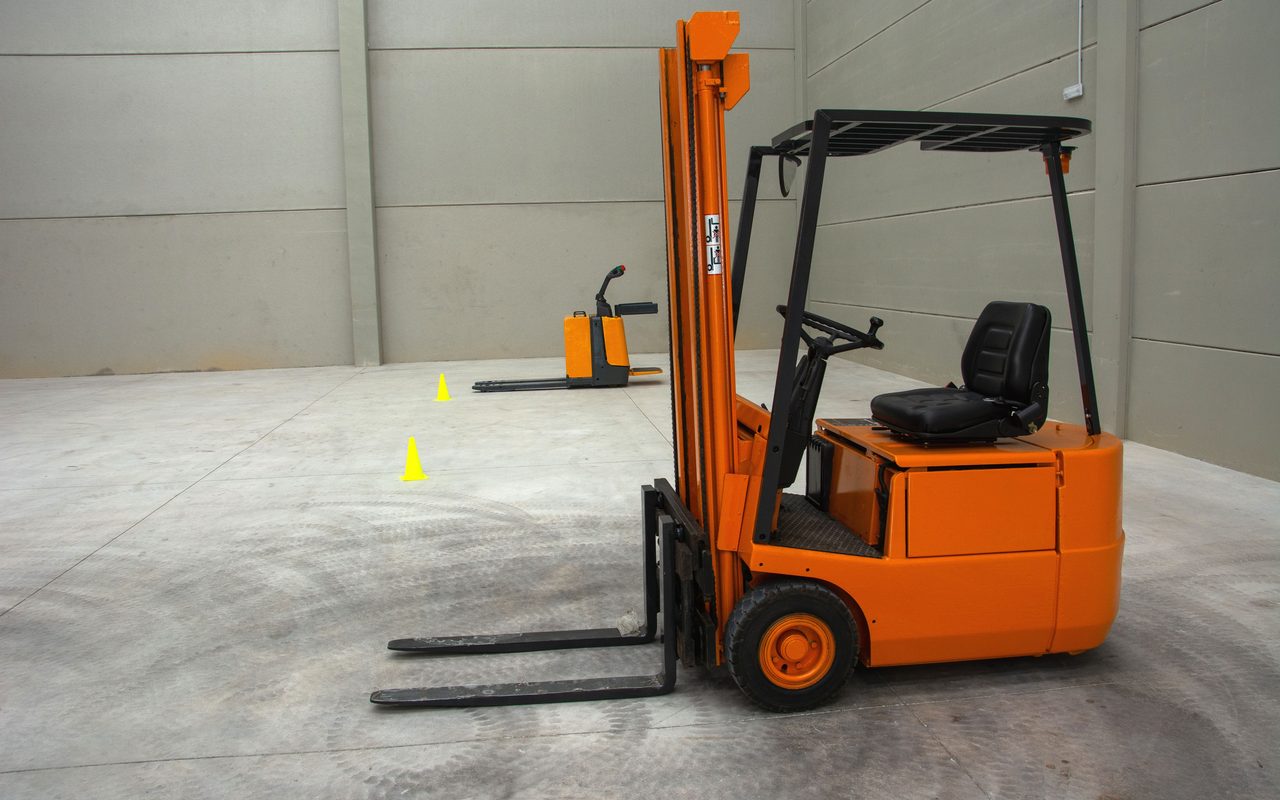
Warehouse Line Marking Guidelines: Forklift Lanes, Pedestrian Zones and the Floor Under Them
Pedestrians and forklifts do not mix. What WorkSafe Victoria says about exclusion zones and marked travel paths, and how to make the lines last.

Slip Resistant Epoxy Floor Coating for Commercial Sites: P and R Ratings Explained
Epoxy is not slippery or safe by default. How AS 4586 P and R ratings work, and how to pick grip for kitchens, docks and workshops.

Is Epoxy Flooring Good for a Commercial Kitchen? What Victorian Councils Look For
Councils want food premises floors that are smooth, graded and easy to clean. What the Victorian guides say, and how a coved epoxy floor ticks those boxes.
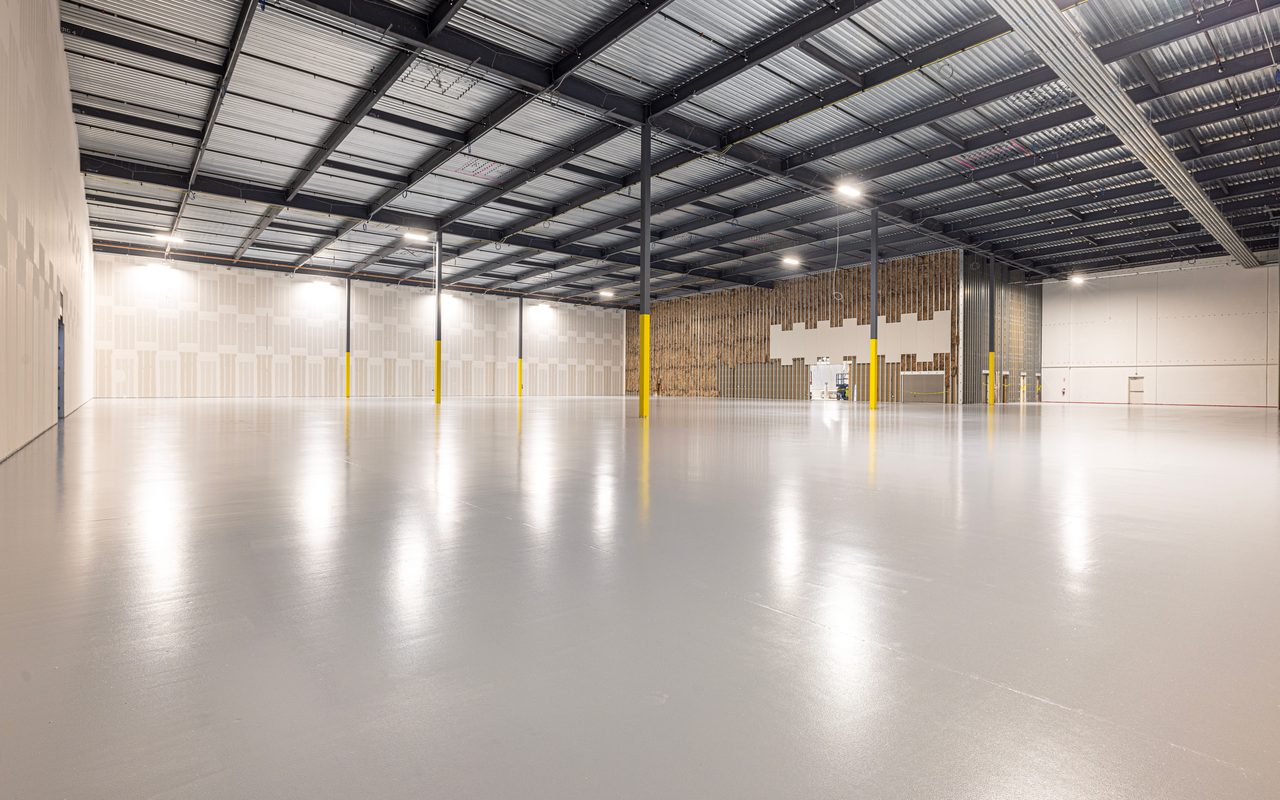
Epoxy Warehouse Floor Coatings Without a Shutdown: Staging, Weekends and Cure Times
A warehouse that stops dispatching loses money by the hour. How zone staging, weekend work and fast-cure systems keep a floor job from becoming a shutdown.
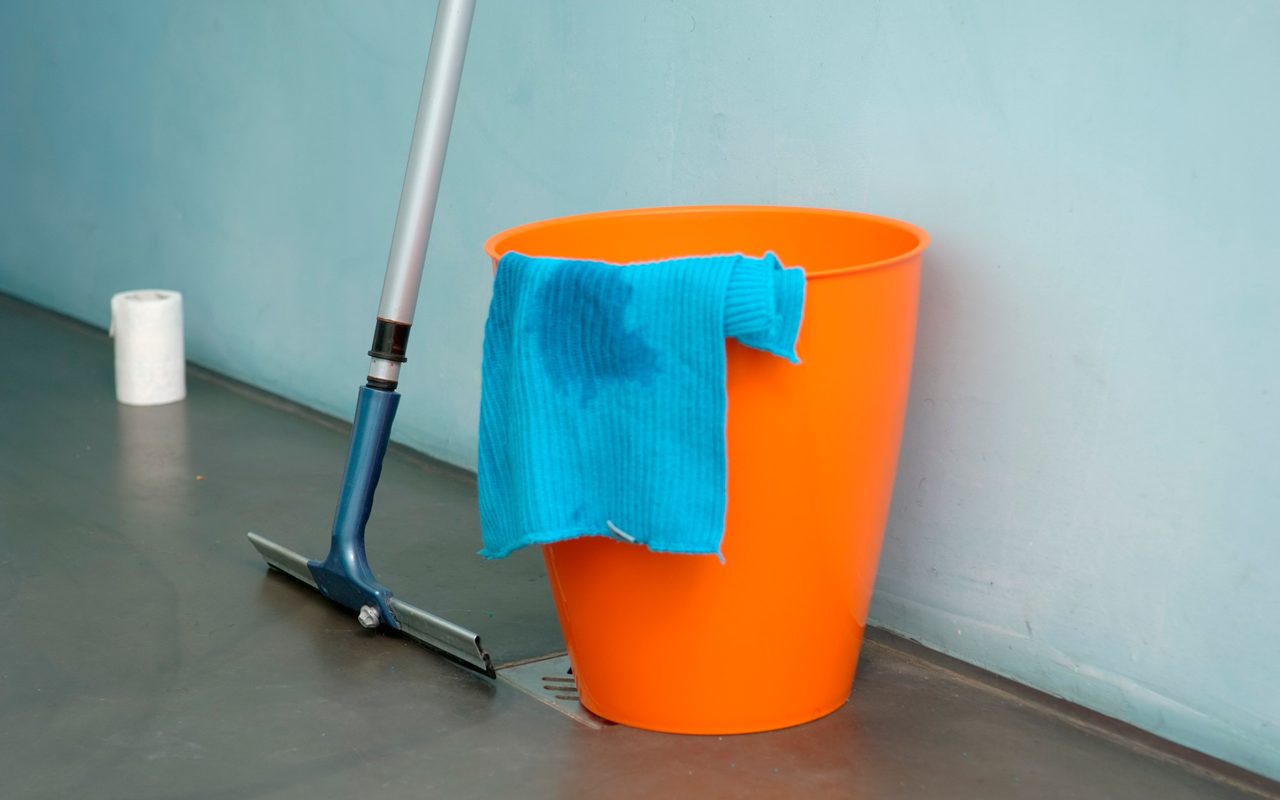
Commercial Epoxy Floor Cleaning: A Maintenance Schedule That Keeps the Floor Performing
Grit, spills and the wrong cleaner do most of the damage. A practical sweep, scrub and inspection schedule for commercial epoxy floors, including ESD.
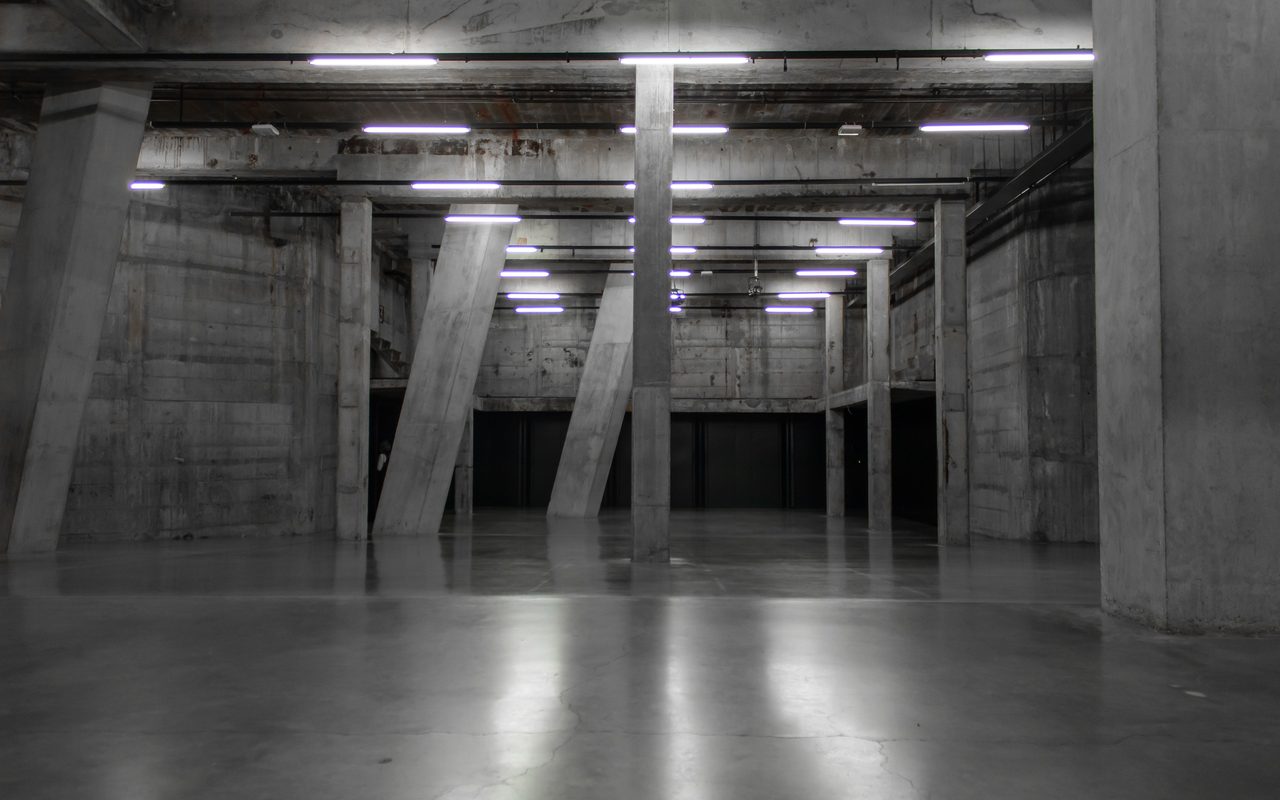
Which Is Better, Polished Concrete or Epoxy? A Guide for Industrial Units and Warehouses
Polished concrete hardens the slab. Epoxy adds a protective film. How they compare for slip, spills, forklifts and slab quality in a commercial building.

Chemical Resistant Epoxy Flooring for Workshops and Factories: Standard Epoxy vs Novolac
Chemical resistance is a rating against a named chemical and a contact time. How standard and novolac epoxy compare for workshops, factories and bunded areas.
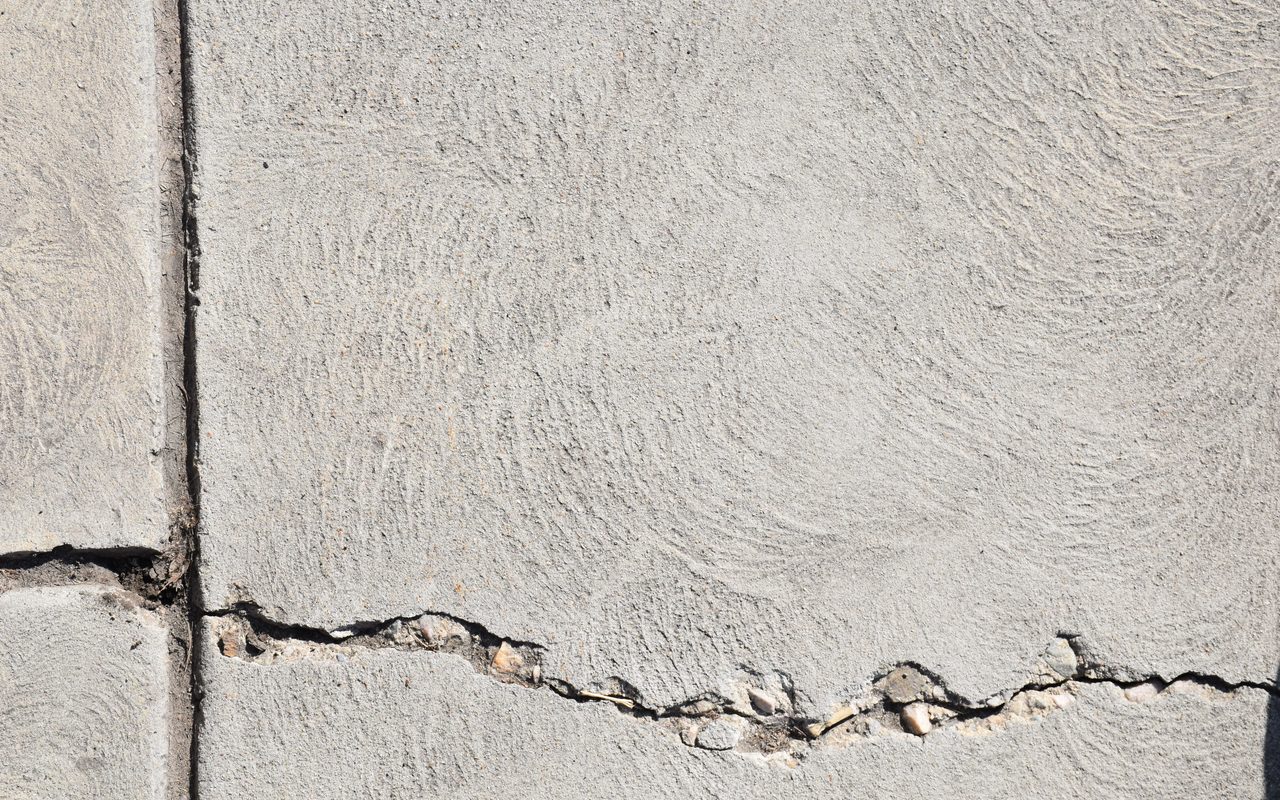
Concrete Moisture Test Before Epoxy: Preparing a Commercial Slab, from Grinding to Crack Repair
Most commercial floor failures start under the coating. What moisture testing, grinding and crack and joint repair involve, and what a scope should say.
Can You Epoxy a Floor in Winter? Cold Slabs, Dew Point and Commercial Installs in Melbourne
Yes, but the air temperature is the wrong number to watch. Slab temperature, humidity and dew point decide whether a winter commercial install works.
How Long Does Epoxy Flooring Take to Cure? Planning a Commercial Floor Shutdown in the New Financial Year
Light traffic, full traffic and full chemical cure are three different dates, and cold slows all of them. How to plan a shutdown around them.
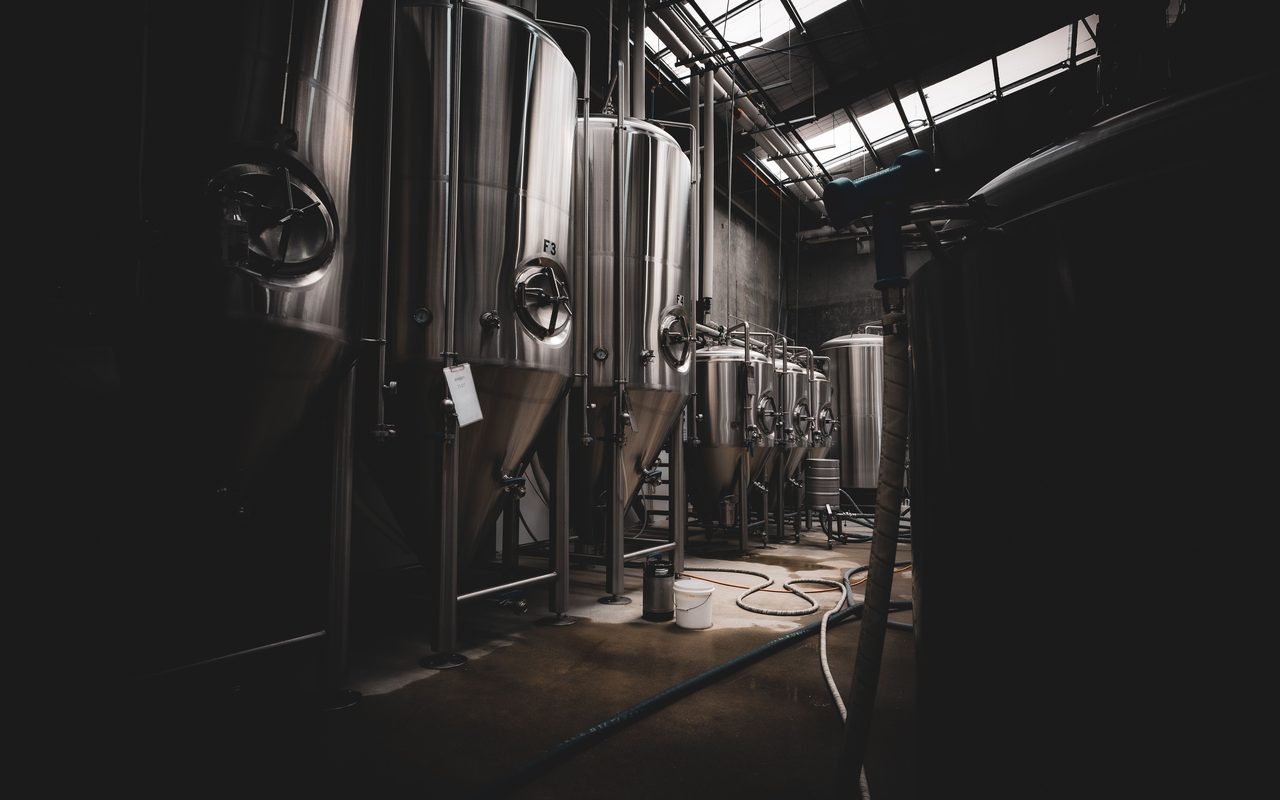
Epoxy Floor Coving: Why the Wall Junction Decides How Hygienic a Wash-Down Floor Stays
The wall junction is where wash-down floors fail first. What coving does, how high it should go, and what councils expect in food areas.
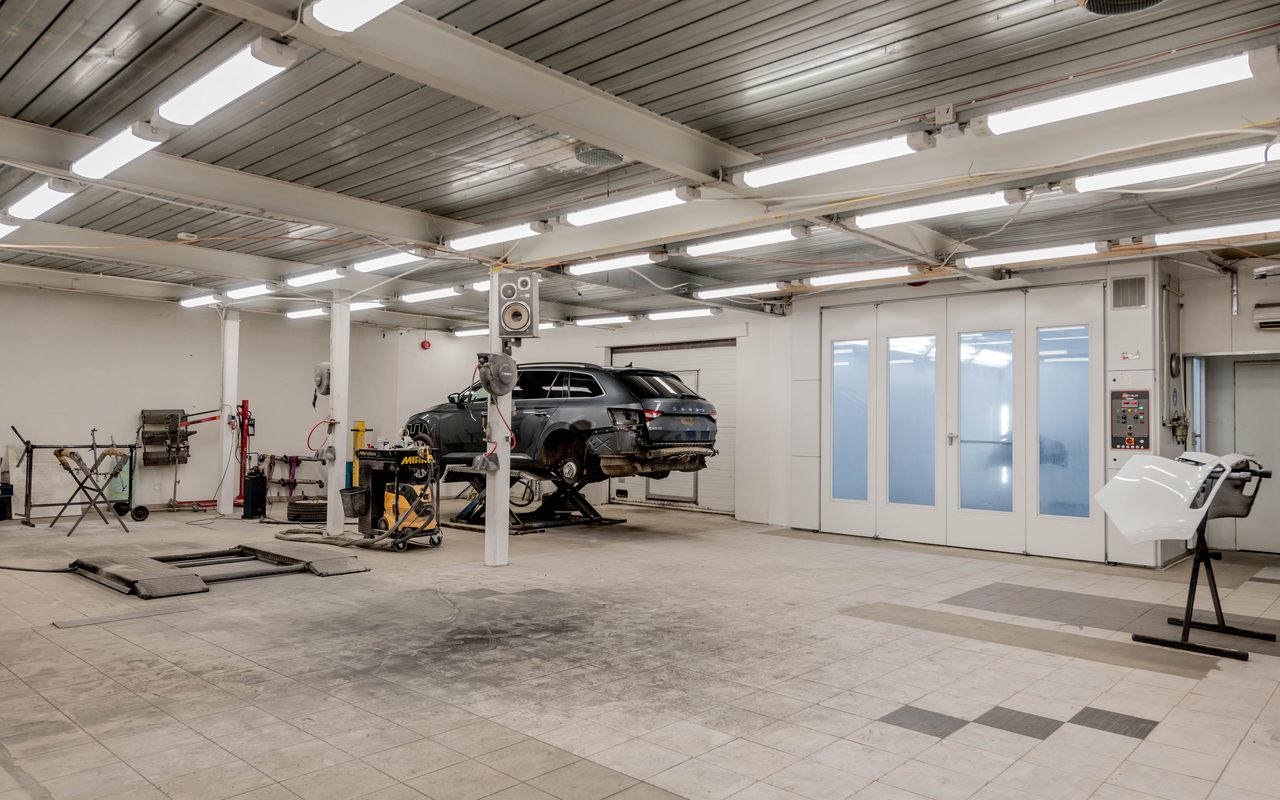
Mechanic Workshop Floor Paint or Coating? Oil, Hoists, Drains and Getting a Clean Bond
Oil in the slab, hoist point loads and stormwater rules all shape a workshop floor. Why preparation matters more than the colour.

Car Park Floor Coating: What Ramps, Bays and Loading Docks Need Underfoot
Car parks and loading docks need more than floor paint. Crack movement, wet weather, tyre loads and slip risk all shape the right system.
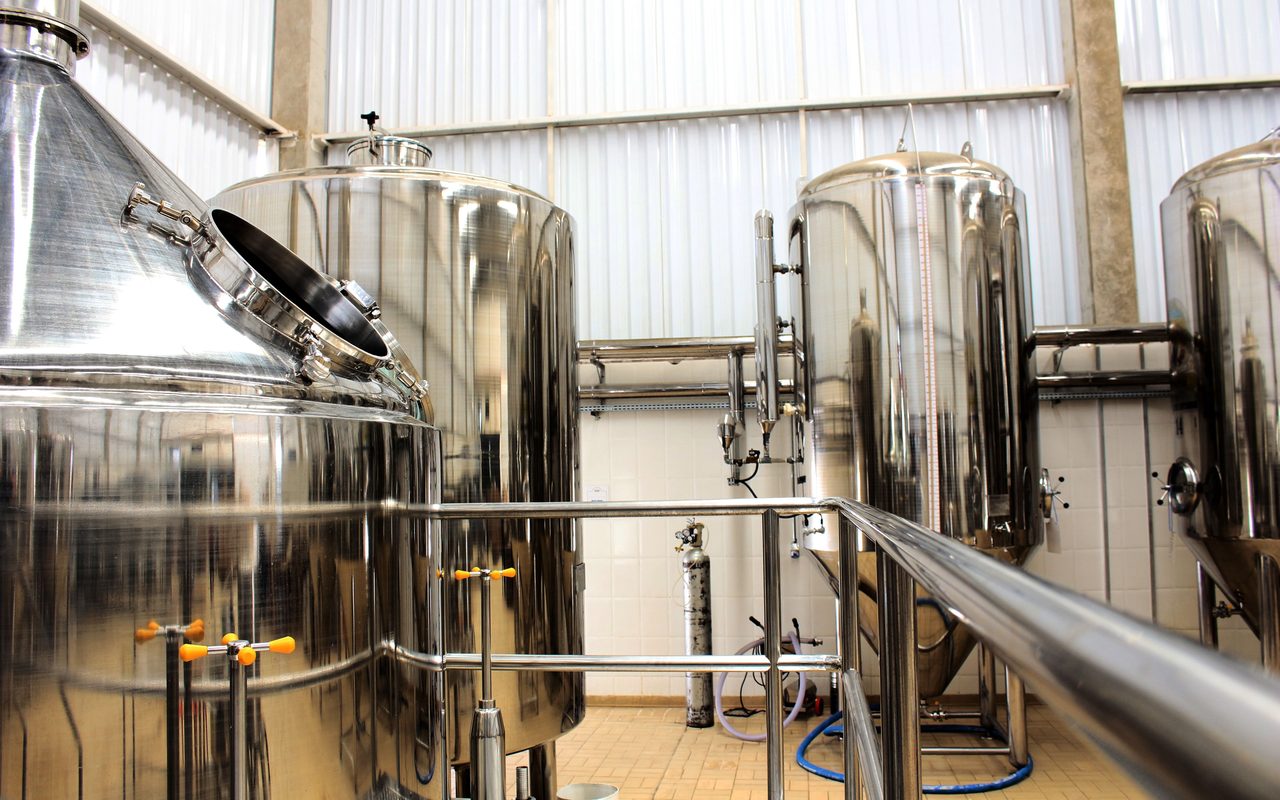
Cold Room Floor Epoxy: Thermal Shock, Hot Wash-Downs and Food Manufacturing Floors
Cold rooms and wash-down food plants hit a floor with thermal shock. Why epoxy alone is not always the answer, and what to ask an installer.
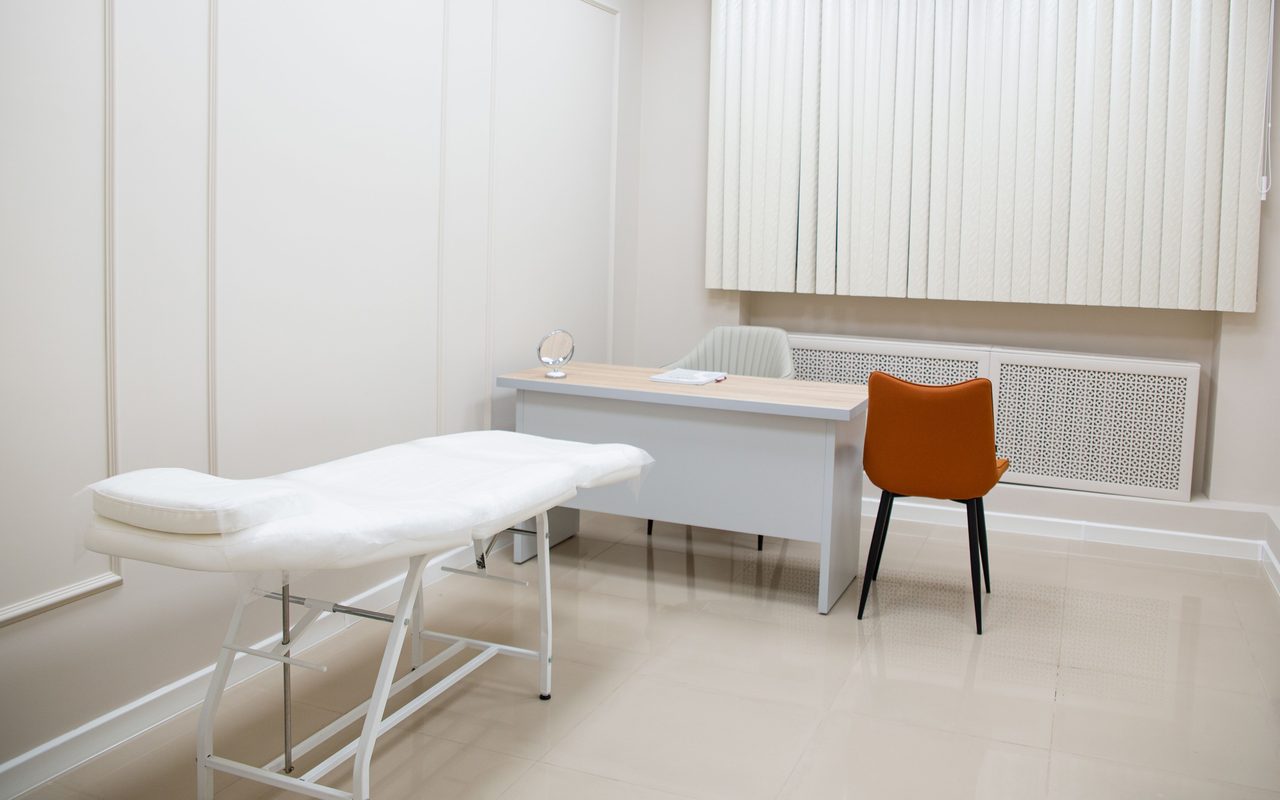
Medical Centre Flooring: Cleaning Rules That Shape the Floor You Choose
Clinic floors are chosen by how they are cleaned. What Victorian and national guidance says about floors, detergent, disinfectant and drying.
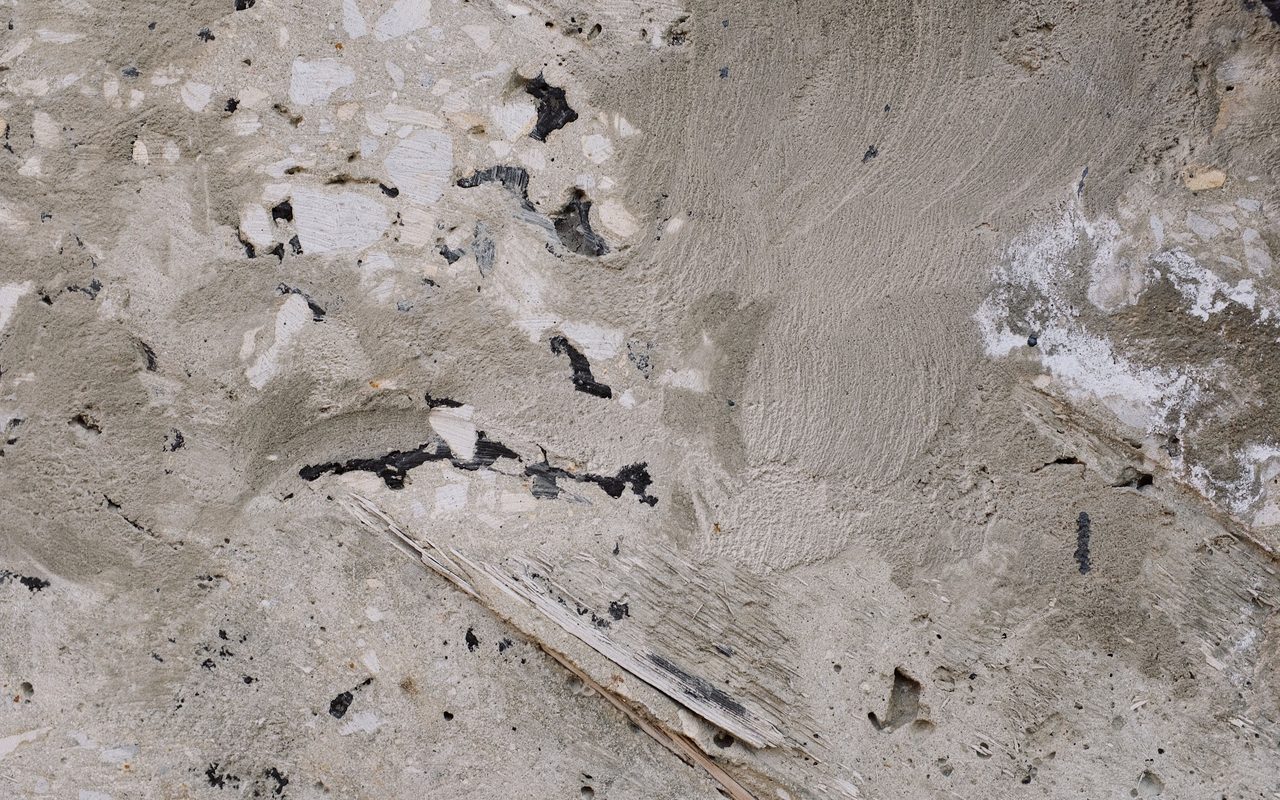
Peeling Epoxy Floor in a Commercial Site: Recoat Over It or Strip It Back?
A peeling commercial floor can sometimes be recoated and sometimes has to be stripped. How adhesion is tested and how to decide.

Epoxy Over Cracked Concrete: Joints and Crack Movement in Large Industrial Slabs
Some slab joints are meant to move, and some cracks are not. How to tell them apart before an epoxy coating goes over a large industrial floor.
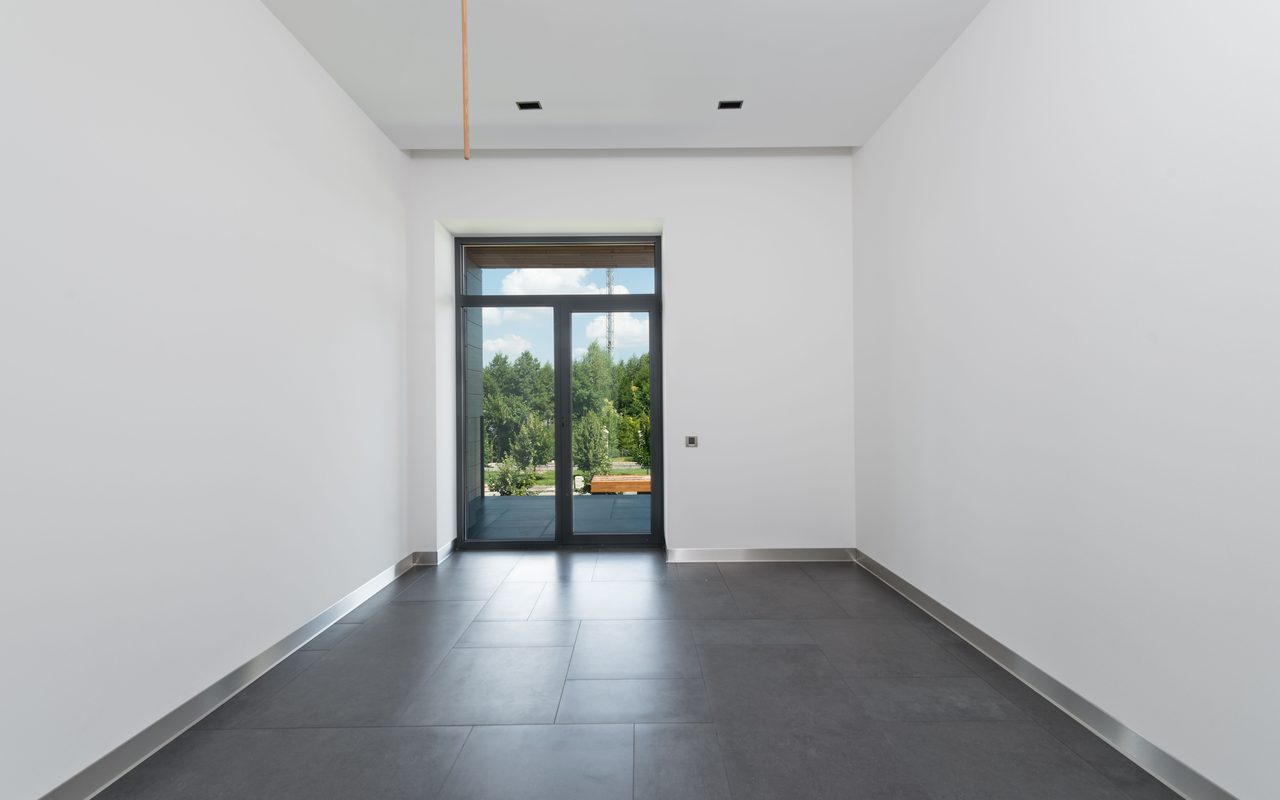
Car Showroom Flooring: A Dealership Floor That Handles Tyres, Wet Weather and Polishing Cloths
Dealership floors need gloss, grip and tyre tolerance at once. What coating sheets say about heat, slip ratings and low odour, and what to ask first.

Anti Static Flooring for Electronics and Data Rooms: What Gets Tested and What to Ask
Anti static and ESD floors are tested by resistance, not by colour or name. What gets measured, what the slab must provide and what to ask first.