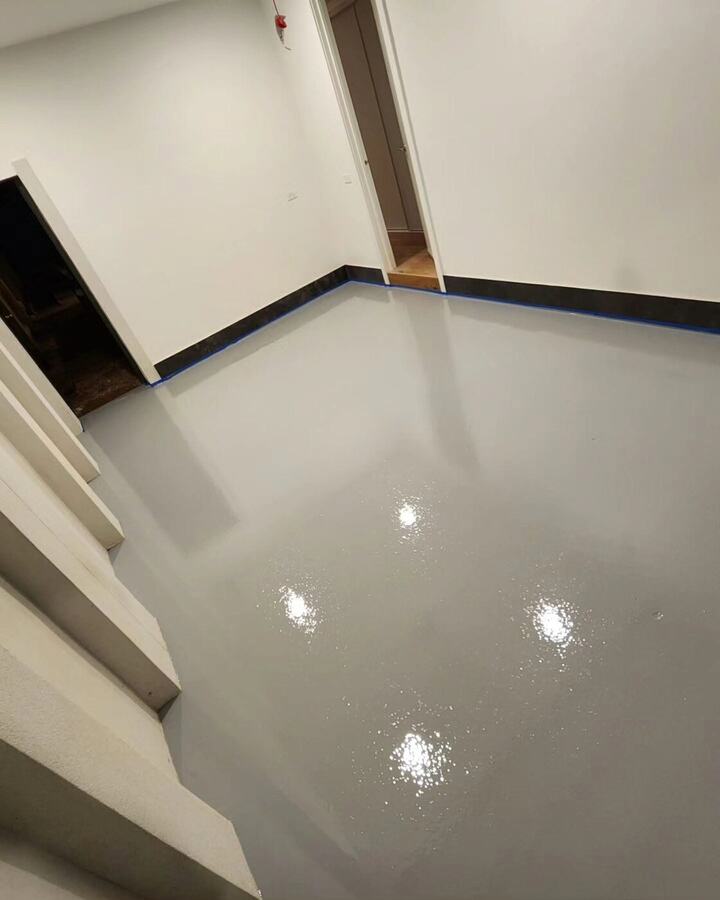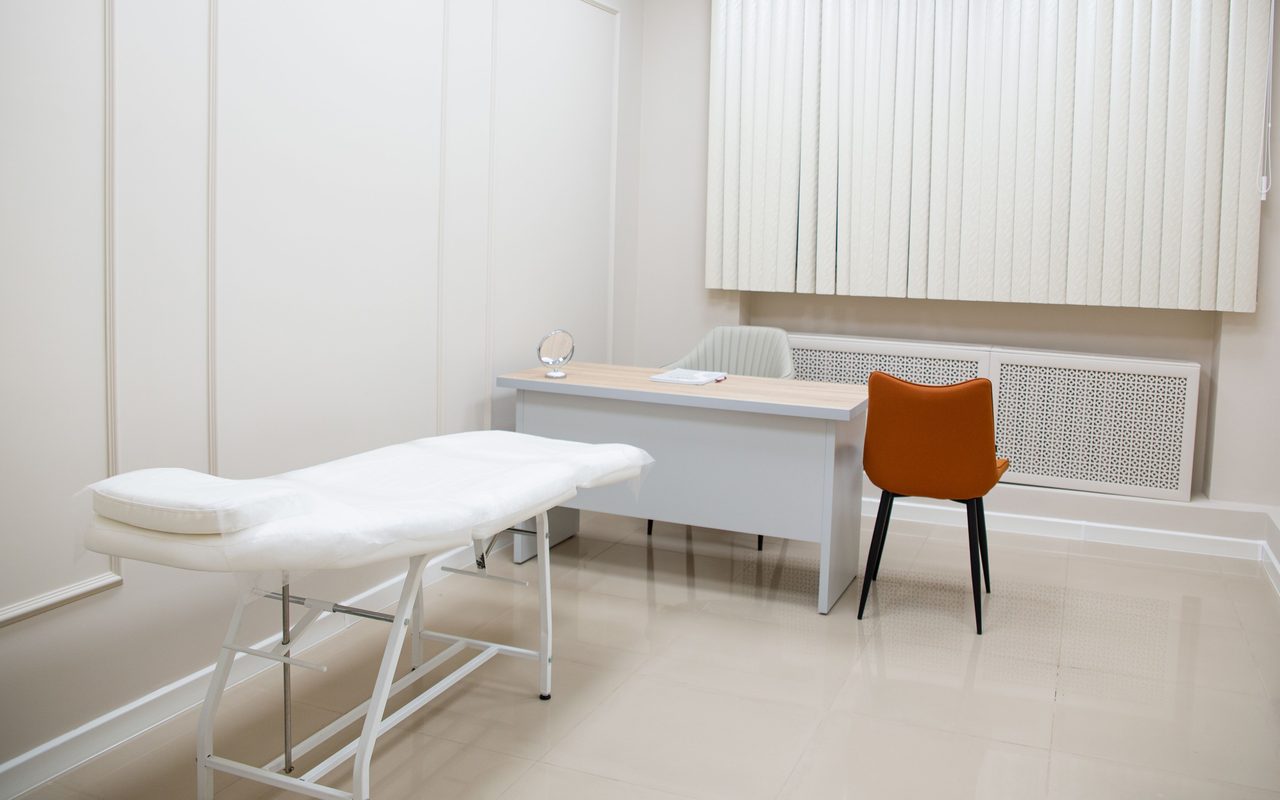
When a medical practice, allied health clinic or day procedure centre is fitting out or refreshing a floor, the usual conversation starts with looks and price. A better starting point is the cleaning routine. Health guidance in Victoria and nationally says very little about floor materials, but it says a great deal about how floors are cleaned, how often and with what. That routine is the actual brief for the floor. This guide is for practice managers, fit-out coordinators and landlords working out what a clinic floor has to survive.
What Victorian guidance says about floors
The Victorian Department of Health publishes cleaning and waste disposal procedures for infection control. The page, last updated on 14 December 2023, covers hospital and day-care settings and says its general principles apply to healthcare and other care facilities. It says floors should be cleaned daily, or as needed, and washed daily and when soiled. Vacuuming should use a particulate-retaining filter, damp dusting with a lint-free cloth is described as essential, and brooms should not be used in patient or clinical areas. Routine surface cleaning is done with a neutral detergent and warm water, followed by rinsing and drying. A disinfectant is used only when required, following the manufacturer's instructions. The page discourages sprays, says detergents should not be mixed with other chemicals, and says wet areas such as toilets, sinks, basins and surrounding floors and walls should be cleaned at least daily. It also expects written cleaning protocols covering methods, frequency and supply of products (Victorian Department of Health).
For the floor, that means it will be vacuumed and mopped every day. It will meet detergent and sometimes a disinfectant, and wet areas will be washed repeatedly. A floor that can take that routine for years without dulling, lifting or staining is the target.
What national guidance adds
The Australian Commission on Safety and Quality in Health Care published an information sheet for cleaners in November 2023, and it names clinics and general practices among the settings it covers. It describes environmental cleaning as the physical removal of dirt, dust, blood, body fluids and germs from surfaces with a neutral detergent and water. It describes two common processes: a two-step process, where surfaces are cleaned first with detergent and, if contaminated, cleaned again with a disinfectant; and a two-in-one process using a single product that contains both. It says surfaces should be allowed to dry completely after cleaning, and that most hard surfaces can be cleaned sufficiently with detergent and warm water. It classes floors, walls, ceilings, windows and blinds as minimally touched surfaces, cleaned less often than frequently touched points such as door handles, but always cleaned when visibly dirty (Australian Commission on Safety and Quality in Health Care).
Two things follow. A clinic floor must tolerate whichever of those cleaning processes the practice uses, so the practice's cleaning products should be named in the scope, not left to guesswork. And a floor that dries quickly and does not hold water at the edges makes the drying step easier to get right.