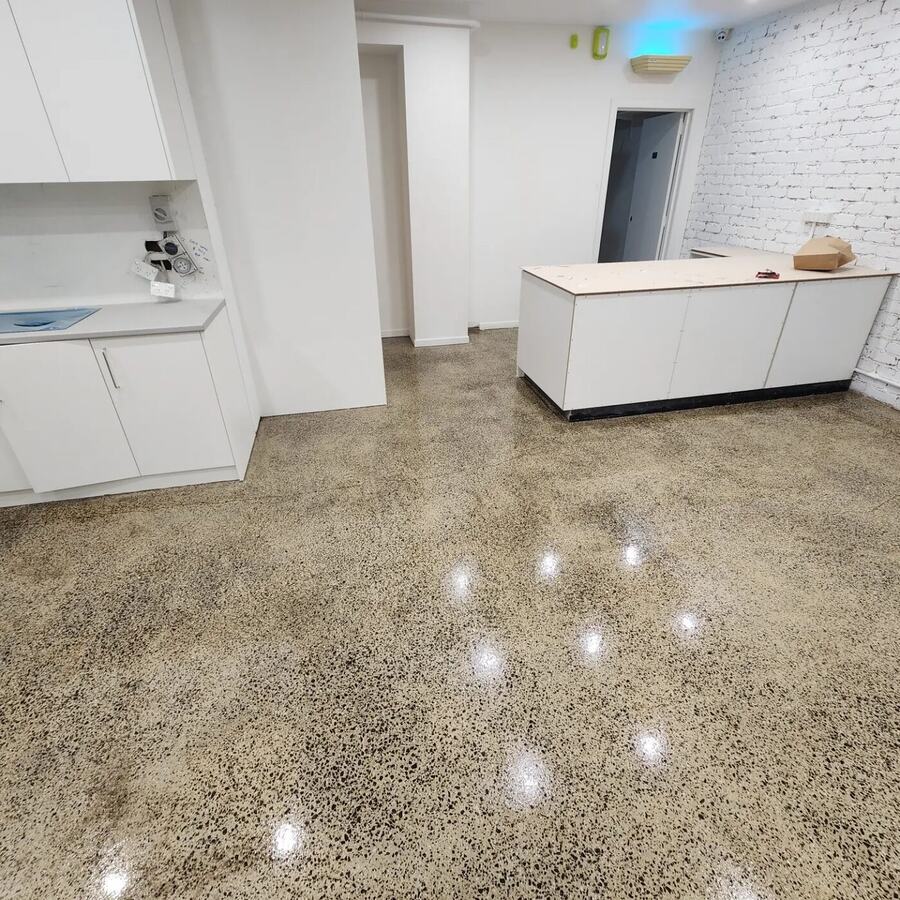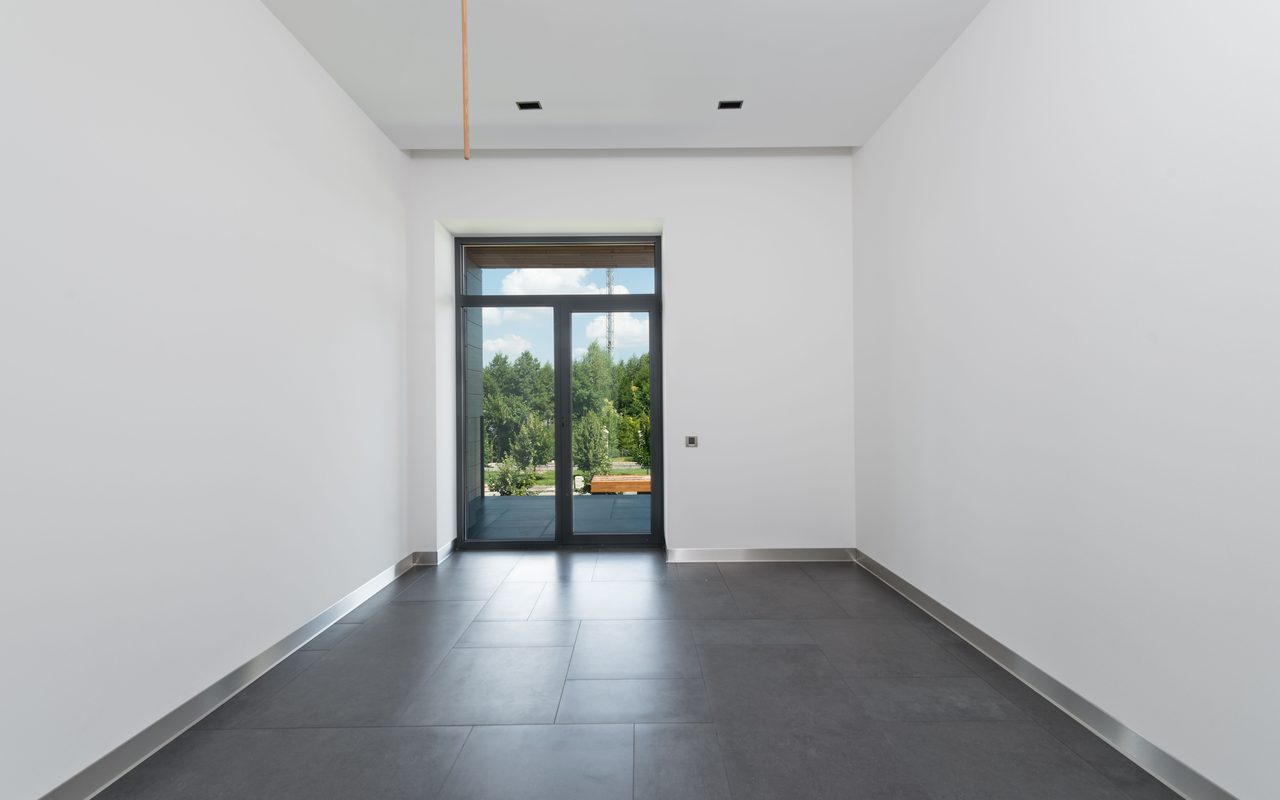
A showroom floor has two jobs that pull in different directions. It has to look flat, clean and bright under spotlights for customers who judge a business in the first few seconds. It also has to carry vehicle wheels, wet footwear tracked in during a Melbourne winter, cleaning chemicals and the occasional drip of oil or brake fluid. Car showroom flooring works when both jobs are named in the scope before anyone picks a colour. This guide is for dealership principals, fit-out managers and property managers who need a floor that stays presentable for years.
Gloss, heat and what a manufacturer will actually put in writing
The first useful habit is to read the data sheet instead of the marketing. One Australian manufacturer's fact sheet for a heavy duty two-pack epoxy lists suitable uses that include workshops, warehouses and service rooms, and says the product withstands heavy vehicle traffic and repeated cleaning. It gives a heat resistance of up to 120 °C dry heat, a smooth low sheen to semi-gloss finish and a colour range that is used for demarcation of pedestrian walkways and vehicle driveways (Dulux Protective Coatings).
That sheet does not mention tyre marking. Customers often ask about hot tyre pickup, which is when a hot tyre softens or lifts a coating and leaves a mark. Heat resistance of a dry coating is a different measurement from pickup under a tyre, so the question to put to any installer is simple: which test, at what temperature, and for which complete system of primer, body coat and topcoat. If a supplier cannot give you evidence for the system they quote, treat a general claim with caution.
Slip rating still applies on a showroom floor
Showroom floors are often glossy, and gloss raises slip risk. The same fact sheet reports slip ratings under AS 4586 that depend on the additive used: the smooth coating with a coarse stir-in aggregate is rated R10, and with a broadcast aggregate it is rated R12. A showroom does not necessarily need R12, but a slip rating belongs to a specific build-up, not to a colour or a brand. A floor that is perfect on a dry day can behave differently when winter rain is carried in from the forecourt, so ask for the rating of the finish you will actually receive, and think about where entry mats and the first few metres of the floor sit.
Our guide to commercial warehouse flooring sets out the general structure of the systems we install, and the same preparation principles apply under a high-gloss showroom finish.
Choosing between coating families
The manufacturer's current range brochure describes its floor coatings as suitable for industrial applications that include office areas, commercial car parks, warehouses, manufacturing facilities, retail areas and showrooms. It separates the range into families with different strengths. Water-based epoxies are described as low odour and low VOC, which matters if the dealership trades while the floor is done in stages. A fast-return range is aimed at getting assets back into service sooner, with two-hour recoat times at 25 °C and 50 percent relative humidity. The high build range is recommended for high traffic areas with increased wear and tear (Dulux Protective Coatings).