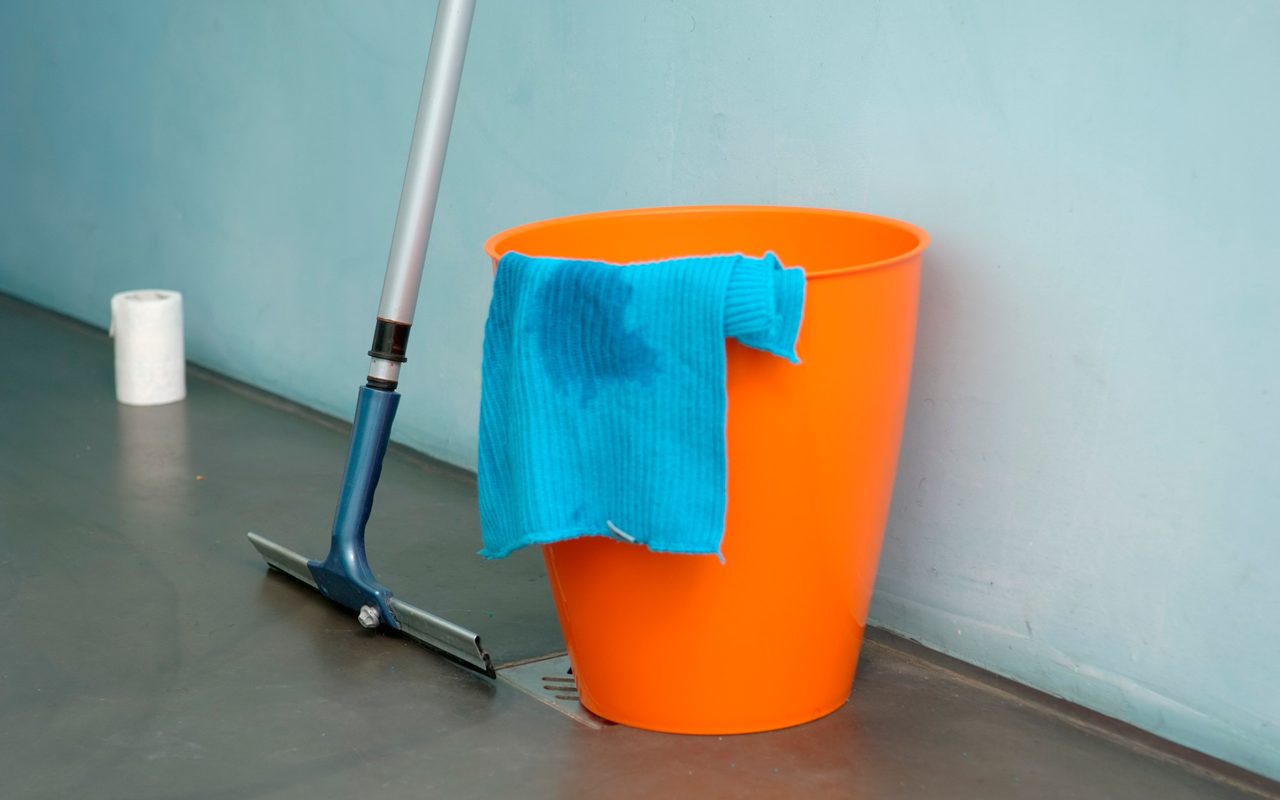
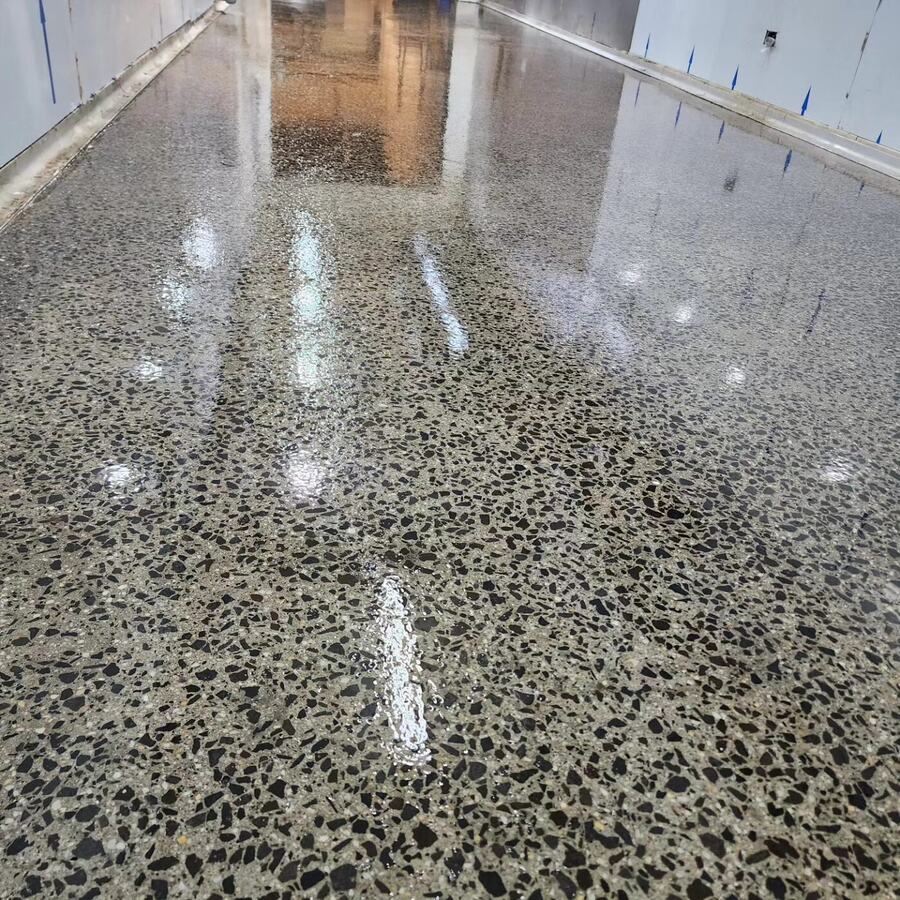
Commercial epoxy floor cleaning is simpler than most facilities teams expect, and the mistakes are usually the same few. Grit gets left to grind under wheels, a spill sits overnight, or someone reaches for the strongest cleaner in the store room. A coating that was installed well can still look tired in two years if it is cleaned badly. Manufacturers publish guidance on this, and it is consistent enough to turn into a simple schedule.
Grit is the enemy, not dirt
Sika's general maintenance guide for its floor systems makes a point that surprises people. Dirt and debris left on a floor act like sandpaper under wheel traffic, dulling, scratching or gouging the surface. It recommends sweeping as conditions require, with brooms, dust mops or a power sweeper using a soft bristle brush (Sika). In a warehouse, that means the entrance matters. Grit comes in on tyres and boots, so matting at doorways and a sweep of dock areas will do more for the floor than any amount of deep cleaning later.
Wait before the first scrub
New floors need time. The same guide notes that high performance floor coatings can take up to 14 days to reach maximum cure, and that chemical, stain and abrasion resistance keep improving during that time. It advises allowing seven days of cure before scrubbing. Sika Canada's guidelines also recommend protecting a new floor from construction traffic with a polythene sheet and a taped layer of board, and cleaning it with a recommended cleaner before it goes into normal service (Sika Canada). Cooler spring floors cure more slowly, so ask your installer for the date the first scrub is safe.
The cleaner matters
Both guides agree. Regular cleaning uses a neutral or mildly alkaline cleaner, chosen for the type of soiling. Sika's US guide suggests a non-caustic industrial detergent for light soil and an alkaline industrial detergent for oil and grease, and says to test any cleaner or process on an inconspicuous spot first. Strong chemicals that are not approved for the floor are out. So are stiff or abrasive impregnated power bristle heads, which the Canadian guide says will dull or scratch the surface.
The equipment matters too. The US guide recommends a mechanical cleaner with a soft nylon bristle brush at the lowest speed, and white grade pads only, because more aggressive pads permanently mar the surface and degrade the gloss. It also says never to run pads dry.
A schedule you can hand to your cleaners
- Daily: dust mop or sweep with a soft brush, with extra attention to doors, docks and aisle ends.
- Spills: clean them as they happen and avoid spreading them. Sika's guidance is that fast clean-up limits the size of an area that can stain, dull or soften.
- Weekly, or as traffic demands: machine scrub with a neutral or mildly alkaline cleaner, a soft brush or white pad, then pick up the solution with a wet vacuum or mop and change the water often.
- Quarterly: walk the floor, checking chips, scratches, joint sealant and line marking wear.
- Annually: review traffic, chemicals and cleaning products, and decide if a topcoat refresh is due.
ESD and conductive floors need different habits
Anti-static floors lose performance when a film builds up. The Sika Canada guide warns that dust, soil, grease and other contaminants create a dielectric barrier that reduces the effectiveness of an ESD or conductive system. It says to finish cleaning with a clean water rinse, because cleaner residue and hard water deposits can affect grounding, and not to use a sacrificial wax or polish on these floors. It also warns that silicone release agents, spray lubricants, paints and lacquers can leave a non-conductive film. If you have an ESD or anti-static floor, make the cleaning regime part of the handover.
Spills and chemical exposure
Some spills are more urgent than others. If your site handles acids, caustics or solvents, treat a spill as a clean-up job straight away, in line with the exposure ratings for your system. Our guide to chemical resistant epoxy flooring explains how those ratings work and what contact time means.
Early spring is a good time to inspect
Winter is hard on floors, with damp, mud tracked in and cleaning put off because of the cold. Early September is a sensible time to do a proper wash-down, check joints and line marking, and plan any recoat before the busy season. Catching a worn patch early costs far less than waiting until the coating has gone through to the primer. If your site is around Mickleham or Merrifield, our Mickleham commercial page covers the area, and our commercial flooring page lists what we install.
Ask your installer to put the cleaning regime in writing, including approved products. With 15 years on the tools, we would rather hand you a one page schedule than watch a good floor get dulled by the wrong cleaner. Every floor comes with a written scope, a fixed price and a 7-year warranty.