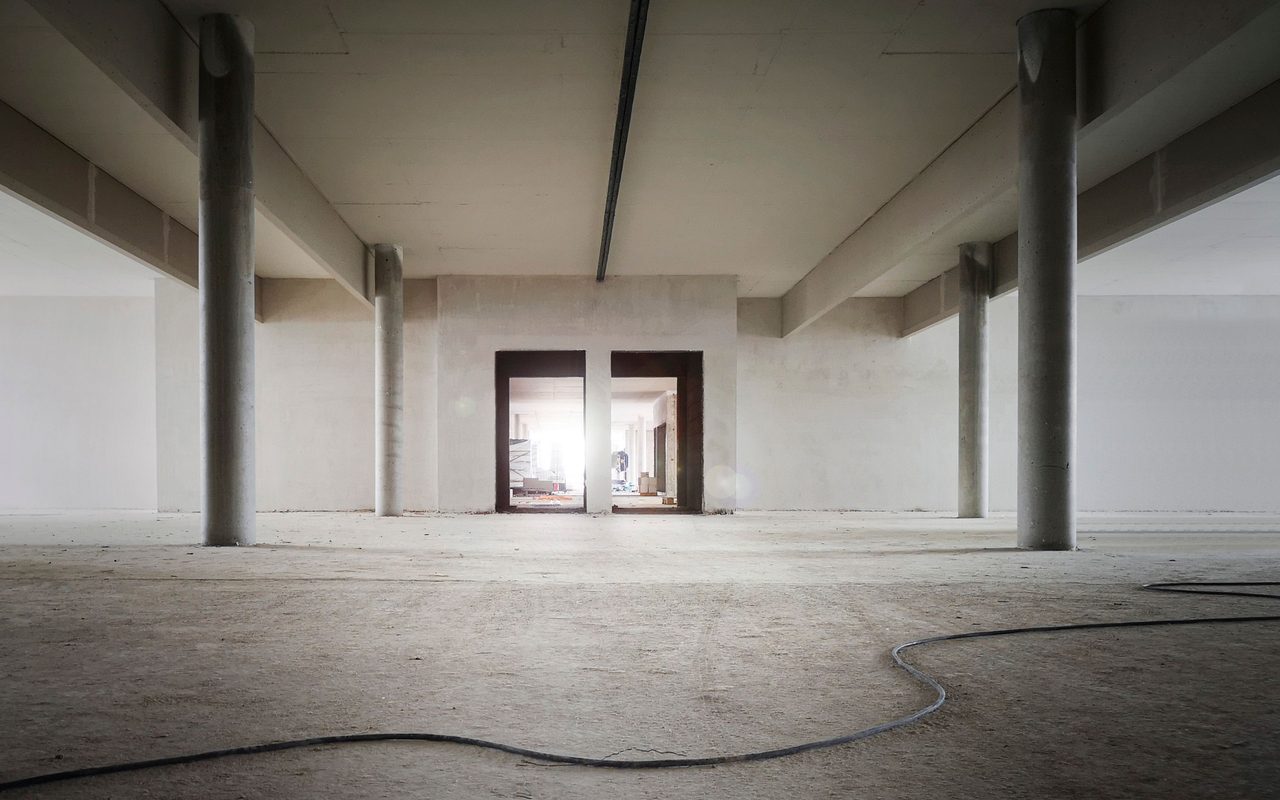
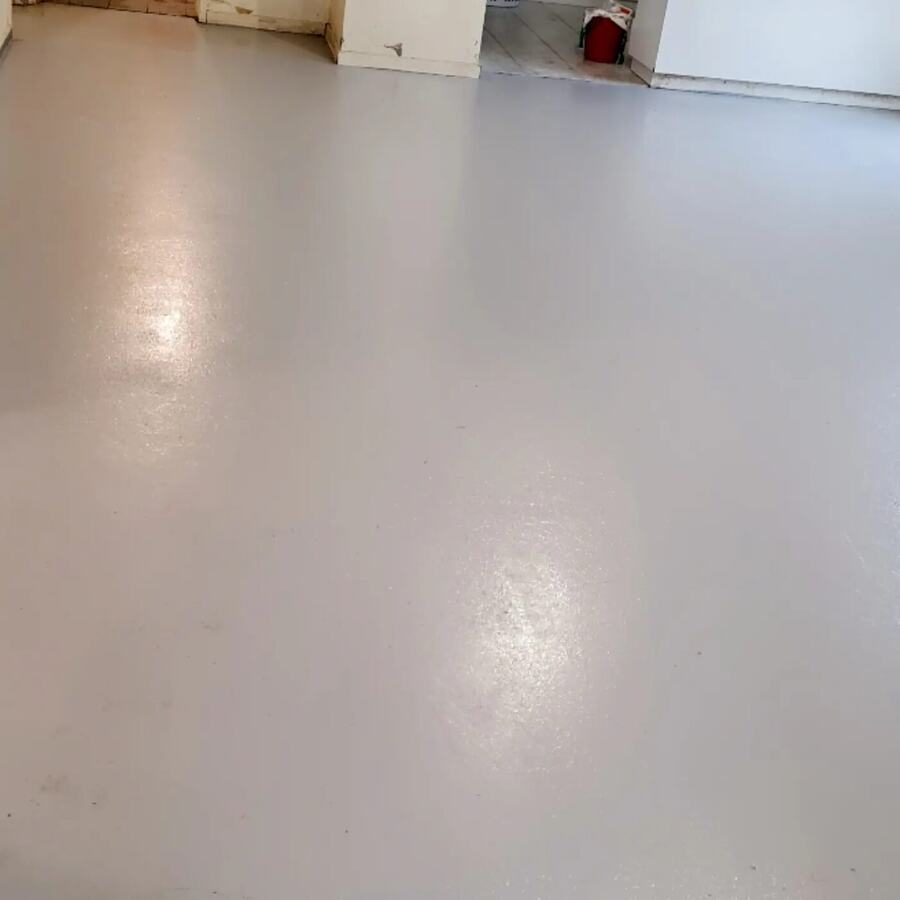
If you are budgeting for a floor, the question is simple: how much does commercial epoxy flooring cost? Our answer, as published on our site, is typically $45 to $90+ per m² for commercial and warehouse work, depending on slab condition, system thickness and extras such as line marking or ESD coating. Industrial systems with chemical bunding or high-build aggregate finishes sit at the upper end. That is a wide range, and this post explains what moves a job inside it. It is not a quote. Every quote follows a free site inspection, so the price reflects your slab and your traffic.
What the range looks like on a real budget
Simple arithmetic shows the spread. At $45 per m², 500m² comes to $22,500, and at $90 it comes to $45,000. A 1,000m² floor runs from $45,000 to $90,000 across the same range. Those are multiplications of the per-metre range, not quotes, and there is no GST in them. The gap between the bottom and the top is a lot of money, so it helps to know why jobs land where they do.
1. The slab you start with
A sound, dry, clean slab is the cheapest to coat. A cracked, patched or contaminated one is not. Our commercial system includes shot blasting or diamond grinding, crack injection and surface repair, and a primer and moisture barrier (our guide to moisture testing and slab preparation walks through each step). The more of those steps a slab needs, the more they cost. Old coatings, tiles or vinyl also have to come off first, and they are removed as part of the prep, so a floor with a failed coating takes longer than bare concrete.
Dust control is part of this cost. WorkSafe Victoria warns that silica dust can be deadly and lists on-tool dust extraction, dust suppression, air monitoring and respirators among its topics for construction work (WorkSafe Victoria). Grinding concrete properly, with those controls, is not optional, and a quote that leaves it out is a quote you should question.
2. How thick and how tough the system is
Commercial thickness covers forklifts, foot traffic and normal chemical exposure. Industrial environments need more: our industrial range includes high-build 3 to 6mm systems, broadcast quartz aggregate for impact resistance, polyurethane topcoats for thermal and chemical resistance, and polyurea fast-cure systems. Each step up in build and material costs more per m², which is why those sites sit toward the top of the range. Our industrial floor coatings page explains the options.
3. Extras: line marking, ESD, coving, anti-slip
Each add-on is priced into the scope.
- Line marking and bay demarcation, as in our post on warehouse line marking.
- ESD or anti-static coatings, including copper grounding strips and resistance testing.
- Chemical bunding and coved skirting.
- Anti-slip additive or aggregate for wet and greasy areas.
4. Downtime and how the job is staged
Working around trading hours changes the programme, and a good scope shows the effect. Weekends, after-hours work and zone-by-zone staging let a business keep operating, and fast-cure systems get an area back in service quickly. Dulux's fact sheet for one fast-cure system lists a two-hour recoat and about two days to return to service at 25 degrees, against about nine days for a standard epoxy build-up (Dulux Protective Coatings). Fast-cure materials usually cost more, but they can cost less than a closed building. We explain staging in our guide to coating a warehouse without a shutdown.
5. Size and access
Larger floors can spread fixed costs, and small, awkward ones cannot. We can complete up to 3,000m² in a week, and we quote everything from a single workshop bay or retail unit to multi-thousand-square-metre warehouses, with the same inspection and written scope regardless of size. We do not add a travel surcharge across Melbourne and greater metro. If your site is in Mickleham, have a look at our Mickleham commercial page.
What a written scope should show
- The prep method and any repairs, by area.
- Each coat in the system, with the thickness or product named.
- Line marking, coving or ESD work as separate lines.
- The staging plan and timeline.
- A fixed price with GST shown, and the warranty in writing. Ours is 7 years on workmanship.
Budgeting in spring
October is a good time to get inspections booked. Site inspections are usually booked within the week, and a floor job is easier to plan before the pre-Christmas rush, when many sites are busy and weekends fill up. Ask early and you can pick the quiet window.
To get a number for your floor, book a free site inspection. See our commercial and industrial flooring page for what we install, and the warehouse flooring section for the system most sheds receive.